
Should You Install a Swimming Pool Heat Pump?
Should You Install a Swimming Pool Heat Pump? (2026 Update)
Date Updated: January 2026
If you own a swimming pool, you may have considered using a swimming pool heat pump to maintain a comfortable water temperature year-round. Heat pumps are one of the most energy-efficient ways to heat a pool, and understanding how they work can help you decide if one is right for your setup.
How a Swimming Pool Heat Pump Works
A pool heat pump doesn’t generate heat directly. Instead, it moves heat from the outside air into your pool water, similar to how a refrigerator or air conditioner works — but in reverse. The main components include:
-
Compressor – circulates the refrigerant
-
Condenser / Heat exchanger – transfers heat into the pool water
-
Fan / Ventilator – draws in warm outside air
The pump activates when your pool water drops below your set temperature and automatically shuts off once the water reaches the desired level, maintaining consistent comfort without unnecessary energy use.
Efficiency and Ideal Conditions
-
Heat pumps work best in mild to warm climates; their efficiency decreases in very cold conditions.
-
They use outside air as a free energy source, making them far more economical than electric or gas heaters.
-
Modern units can heat your pool to the desired temperature with minimal energy consumption, even during cooler spring or autumn days.
Installation and Sourcing
-
Choose a reputable online retailer that can supply the correct size and model for your pool.
-
Plumbing installation is generally straightforward and can be completed by most DIY-ers.
-
Electrical connection must always be performed by a qualified electrician to ensure safety and compliance with regulations.
-
Always follow manufacturer instructions carefully for both plumbing and electrical setup.
Benefits of a Swimming Pool Heat Pump
-
Energy-efficient pool heating compared to traditional gas or electric heaters
-
Maintains comfortable water temperature for extended swim seasons
-
Reduces the need for frequent chemical adjustments due to temperature fluctuations
-
Can be paired with solar covers or enclosures for even greater efficiency
Conclusion
Installing a swimming pool heat pump is a cost-effective and environmentally friendly way to enjoy a warm, comfortable pool all season long. With the right size and a reputable online supplier, your pool can be ready for use even when the weather isn’t ideal, making it a smart investment for both home and commercial pools.
Swimming Pool Heat Pump – Quick Reference (2026)
| Category | Guidance | Notes / Tips |
|---|---|---|
| How It Works | Moves heat from outside air into pool water; similar to a fridge or AC but in reverse | Maintains consistent water temperature automatically |
| Activation | Turns on when water drops below set temperature; shuts off once target is reached | Ensures energy-efficient operation |
| Efficiency | Best in mild to warm climates; uses outside air as free energy | Pair with solar covers or enclosures for maximum efficiency |
| Plumbing Installation | Generally straightforward and DIY-friendly | Most pool owners can install themselves following instructions |
| Electrical Connection | Must be performed by a qualified electrician | Ensures safety and compliance with regulations |
| Sizing & Sourcing | Choose a reputable online retailer; pick the correct size for your pool | Check specifications carefully before ordering |
| Maintenance Tips | Keep coils and heat exchanger clear; check refrigerant annually; clean filters | Proper care extends lifespan and efficiency |
| Benefits | Energy-efficient, cost-effective, comfortable pool all season | Reduces need for frequent chemical adjustments and water temperature fluctuations |
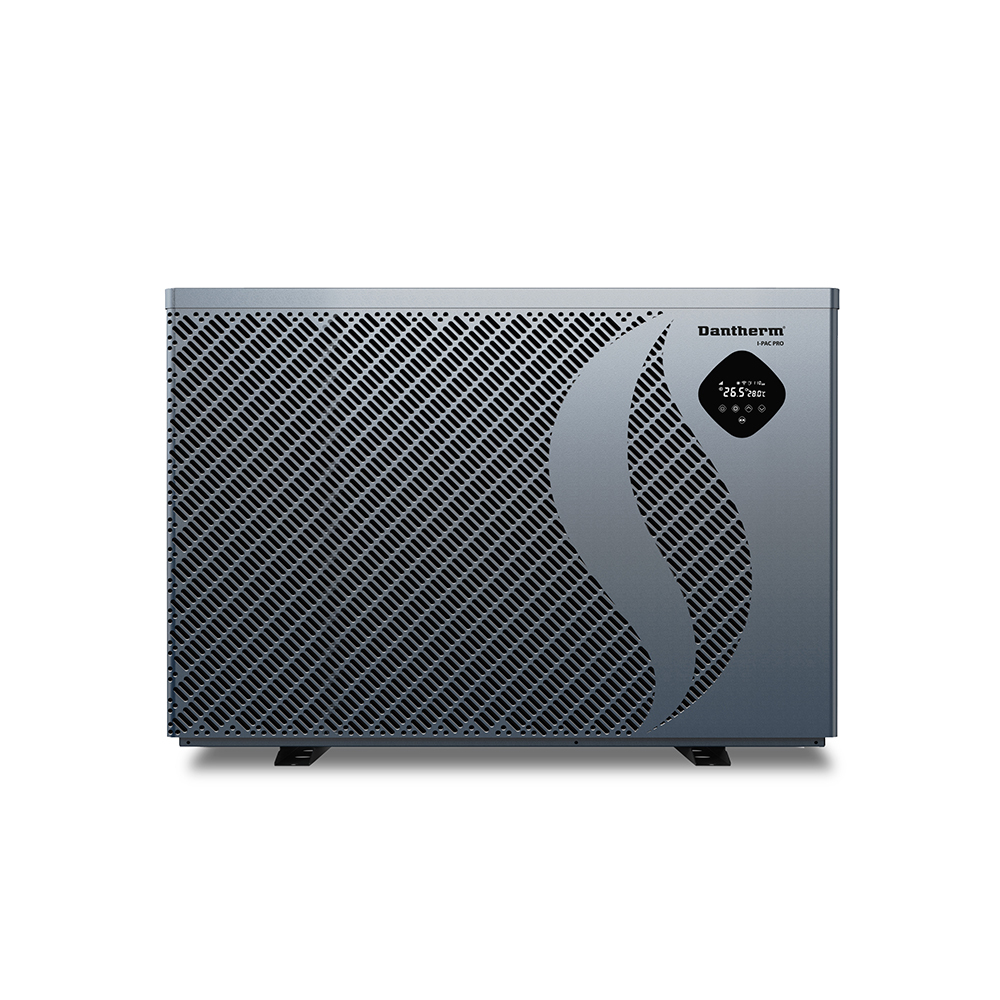
DANTHERM IPAC PRO 10A
The Dantherm IPAC PRO is a highly efficient and recommended heat pump. You will find it in our Heat Pump Section