Swimming Pool Safety tips - updated 2026
Swimming Pool Safety Tips (Updated 2026)
1. Always Have Safety Equipment Nearby
-
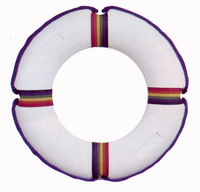
Keep a safety ring, throw rope, or flotation device close to the pool at all times.
-
Consider having a reaching pole or shepherd’s crook for rescue.
2. Install Pool Safety Alarms
-
Pool surface alarms alert you if someone enters the water unexpectedly.
-
Gate and door alarms provide additional protection, especially for children or pets.
-
Modern smart alarms can send notifications to your phone for extra peace of mind.
3. Consider Fencing and Secure Gates
-
Surround your pool with a safety fence at least 1.2 meters (4 feet) high.
-
Gates should be self-closing and lockable.
-
Avoid climbable objects near the fence.
-
Even if your pool is indoors, consider barriers around access points to prevent unsupervised entry.
4. Never Leave Children or Non-Swimmers Unsupervised
-
Children should never swim alone — cramp, fatigue, or panic can happen quickly.
-
Adults should maintain constant visual contact with swimmers.
-
Non-swimmers or young children should wear appropriate flotation devices.
5. Ensure Children Learn Water Safety
-
Enroll children in certified swimming lessons.
-
Teach basic flotation, swimming skills, and life-saving techniques.
-
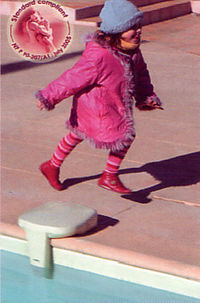
Encourage children to practice safe pool behaviors, like not running near the pool or jumping onto covers.
6. Keep Pool Covers Safe
-
Never allow children to walk or play on pool covers.
-
Ensure the cover is secure and designed to support weight only if certified.
7. Safety Covers – Modern Options
Pool safety covers provide an extra layer of protection when the pool is not in use. Types include:
-
AutomaticSafety Covers
-
Motorized covers that slide over the pool,at the turn of a key switch.
- The reel mechanism is housed in pit or above ground in a bench
-
The material is retained in rails either side of the pool.
- Provides fast, easy coverage. As well as safety they also stop debris and maintain water temperature.Pit type or above ground, sometimes covered by a bench.
-
-
Manual Safety Covers
-
Rolled over the pool manually, sometimes refered to as 'Bar Covers'.
- Manual winder or remote device to remove the cover
-
Cost-effective and reliable if used correctly.
-
-
Moving Terrace / Deck Covers
-
Innovative design allows the pool to be completely hidden under a moving deck or terrace.
-
Combines safety with aesthetics, creating usable outdoor space when the pool is covered.
-
All safety covers:
-
Prevent accidental falls into the pool.
-
Help maintain water cleanliness and temperature.
-
Must be used consistently and checked regularly for wear and proper fit.
8. Learn Basic CPR and First Aid
-
Being trained in CPR and basic first aid is critical for all pool users and supervising adults.
-
Update your CPR certification every 2–3 years.
-
Keep a first aid kit near the pool for emergencies.
9. Supervise and Be Observant
-
Constant vigilance is the most effective safety measure.
-
Avoid distractions while supervising swimmers.
-
Set pool rules and enforce them consistently.
10. Additional Modern Safety Recommendations
-
Consider anti-slip surfaces around the pool area to prevent falls.
-
Use smart pool monitoring systems that alert if water levels drop or abnormal activity is detected.
-
Maintain clear visibility of the pool at all times; avoid large plants or furniture that obstruct the view.
-
Regularly check safety equipment for wear and replace as needed.
Summary:
Swimming pool safety is a combination of preparedness, supervision, training, and equipment. By implementing fences, alarms, flotation devices, safety covers, and proper supervision, and ensuring all swimmers know how to respond in an emergency, you can dramatically reduce the risk of accidents and enjoy your pool safely.
Swimming Pool Safety Quick Reference
| Category | Guidance | Notes / Benefits |
|---|---|---|
| Safety Equipment | Keep a safety ring, throw rope, or reaching pole nearby | For quick rescue in emergencies |
| Supervision | Never leave children or non-swimmers unattended | Constant visual contact prevents accidents |
| Water Skills | Enroll children in certified swimming lessons and teach basic flotation & life-saving skills | Reduces risk of drowning or panic |
| Fencing & Gates | Minimum 1.2m (4ft) fence with self-closing, lockable gate | Prevents unsupervised access |
| Pool Alarms | Surface, gate, or door alarms; consider smart alarms with phone alerts | Alerts adults to accidental entries |
| Pool Covers | Automatic, manual, or moving terrace/deck covers | Prevents falls, retains heat, keeps pool clean |
| CPR & First Aid | All supervising adults should know basic CPR and first aid; refresh every 2–3 years | Critical in emergencies |
| Maintenance & Safety Checks | Regularly check covers, alarms, fences, and flotation devices | Ensures equipment works correctly |
| Anti-Slip Surfaces | Install around pool edges and decking | Reduces slips and falls |
| Vigilance | Always observe swimmers; set and enforce pool rules | Most effective safety measure |
Pool safety blog pics
pool safety blog pics