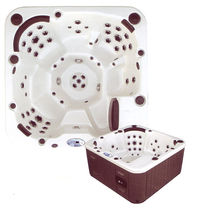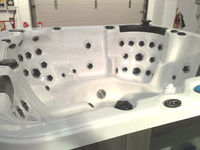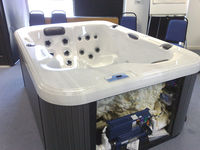
Frequently asked questions on Hot Tubs and Spas
What’s the Difference Between a Spa and a Hot Tub?
Actually, very little. The terms spa and hot tub are often used interchangeably. Traditionally, hot tubs were made from wood, but modern ones are built using durable materials such as fibreglass and acrylic. So in practice: a hot tub is a spa, and a spa is a hot tub.
What Are the Health Benefits of Owning a Hot Tub?
Hot tubs offer soothing hydrotherapy that many people find relaxing and therapeutic. Warm water immersion helps muscles relax and can stimulate the release of endorphins, which may help reduce pain. Many users also report relief from muscle tension, stress, and stiffness. Some studies suggest people with conditions such as arthritis and diabetes may benefit from regular warm water soaks.
Where Should I Locate My Hot Tub?
Before you buy:
-
Measure the space where the hot tub will go and ensure there is sufficient access for installation and future servicing.
-
If you plan to build decking around the tub, make sure there is still clear access for maintenance.
-
While sunken installations are possible, they can make servicing more difficult — careful planning is key.
-
Keep your hot tub away from electrical equipment and overhead cables for safety.
What Should I Look For in a Hot Tub Shell?
-
Choose a hot tub shell that is designed for outdoor use and suitable for your climate — from changeable British weather to warmer regions.
-
Traditional tubs often combine a fibreglass shell with wooden cladding, while many newer models use durable acrylic shells that resist weathering and ageing.
-
Look for solid build quality, good insulation, and UV-resistant materials if the tub will be outside.
How Much Maintenance Does My Hot Tub Need?
Your hot tub only needs some simple weekly care to stay clean and safe:
-
Add stain and scale inhibitor weekly to protect components from mineral build-up.
-
Clean the filter basket regularly to improve water flow and clarity.
-
Test and adjust the water’s pH each week — keeping it balanced helps chemicals work effectively and protects the shell and equipment.
Simple routine care makes a big difference to your water quality and overall experience.
Do I Need to Fill My Hot Tub Every Time It’s Used?
No — you don’t need to refill it after every use.
Modern hot tubs and maintenance products are designed to keep water clean for many weeks at a time. As long as you drain and refill periodically based on your dealer’s recommendations and your usage, you’ll enjoy clean water with minimal fuss.
What Should I Consider Before Buying a Hot Tub?
Think about:
-
Size and placement — how many people will typically use the hot tub?
-
Available space — ensure the area can comfortably accommodate the tub plus access room.
-
Shape and features — different sizes and layouts affect comfort, use, and price.
-
Budget — larger tubs with more features will cost more, both upfront and in running costs.
Choosing the right size and style helps ensure you and your guests can enjoy your hot tub comfortably.
How Much Does a Hot Tub Cost to Run? (Updated 2026)
Running costs for a domestic hot tub depend on several factors — including size, insulation, frequency of use, outdoor temperature, and electricity tariff.
Typical Running Costs in the UK
-
Well-insulated mid-range hot tubs typically cost about £1 – £2 per day in electricity for regular use.
-
Energy-efficient models may be closer to £0.80 – £1.20 per day, while larger or older models may cost more.
-
Monthly costs often range from £25 – £60, depending on usage and season.
-
Annual running costs (including electricity, chemicals, filters, and servicing) generally fall in the £800 – £1,200 range.
Factors That Influence Costs
-
Electricity price per kWh – the biggest driver of cost.
-
Insulation and cover quality – reduce heat loss and energy use.
-
Outdoor temperature – colder weather increases energy demand.
-
Usage patterns – more frequent or longer sessions cost more.
-
Chemical maintenance – regular water treatment and filter cleaning.
-
Servicing and maintenance – professional servicing adds to overall cost.
Hot Tub Quick Reference Guide
| Topic | Guidance | Notes |
|---|---|---|
| Weekly Maintenance | - Add stain & scale inhibitor - Clean filter basket - Test & adjust pH |
Keeps water safe, clear, and prevents equipment damage |
| pH Levels | - Chlorine tubs: 7.2–7.6 - Poolsan (non-chlorine): 7.0–7.4 |
Proper pH ensures effective sanitation and protects tub |
| Sanitizer / Shock | - Chlorine: use shock granules or liquid shock - Poolsan: test copper level and add Poolsan liquid |
Follow manufacturer instructions for safe water levels |
| Refill Frequency | Refill as needed; water can stay clean for weeks | Depends on use and maintenance routine |
| Running Costs (UK 2026) | Typical: £1–£2/day Monthly: £25–£60 Annual: £800–£1,200 |
Varies by tub size, insulation, usage, and energy costs |
| Safety Tips | - Keep tub away from electrical equipment - Ensure safe access and clear space |
Prevent accidents and simplify maintenance |
| Placement Considerations | - Adequate space for users & service - Decking access for maintenance - Avoid sunken installation if difficult to service |
Ensures long-term usability and safety |
Hot Tubs and Spas